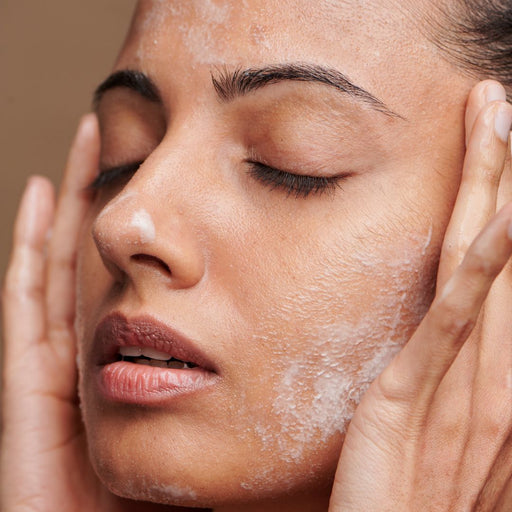
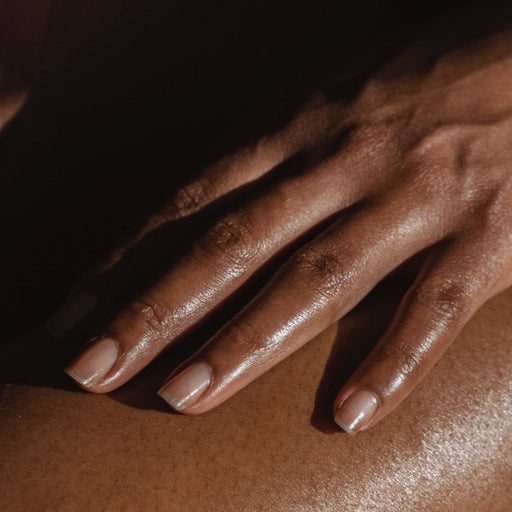
Many women understand the struggle of oily skin. But shiny skin without the excess oil is a unique issue that requires careful attention and a dedicated routine.
Keep reading to learn more about the causes of and treatments for shiny, non-oily skin.
Key Takeaways
- The skin produces sebum, an oily substance, to keep it moisturized and protected.
- Oily skin is characterized by excess sebum, which often leads to clogged pores and unwanted shine.
- But dry skin can also appear oily, as the skin will often over-produce sebum to combat the dryness.
- Dry or oily skin can appear shiny or greasy due to this increased sebum production.
- To mattify and smooth the skin, focus on gentle moisturization, healthy lifestyle practices, and proper exfoliation techniques.
See Related: Natural Remedies for Dry Skin in Menopause
Why Is My Skin Shiny?
To many people, shiny skin is on par with oily skin. After all, sebum (the oil that your sebaceous glands naturally produce) can give off a shiny sheen on the skin. Sweat and humidity can exacerbate this appearance.
But, many times, shiny skin and oily skin are not one and the same. Your skin can still appear shiny even if it's dry or dehydrated.
What Is Oily Skin?
It's important to establish the distinction between oily and shiny skin.
Oily skin types occur when the skin overproduces sebum. Sebum is an oily substance that helps moisturize and protect the skin. It is a mixture of fatty acids, waxes, and sugars that form a protective film to prevent moisture loss.
A moderate amount of sebum is necessary for skin health and function. But too much sebum can result in an oily skin type, which often contributes to other problems like clogged pores, acne breakouts, and unwanted shine. It's important to adopt an oily skin-specific routine to mattify and smooth the skin.
What Is Dry Skin?
In general, dry skin is the opposite of oily skin. Instead of too much sebum, the sebaceous glands often produce too little oil. Dry skin occurs when the skin lacks moisture and natural oils, making it feel tight, itchy, rough, and scaly.
Why Is My Skin Shiny But Not Oily?
Shiny skin can result from dry or oily skin, which can make treatment difficult at times.
Shiny skin is commonly caused by excess oil production. Excess sebum can give off a shiny sheen, making the skin appear sticky or glossy.
Similarly, dehydrated or dry skin can also make the skin appear shiny. When the skin is dry, oil production increases, leaving a thin layer of sebum on the skin, which appears shiny. This is a paradoxical reaction to the lack of water and moisture in the skin. The skin may feel tight and itchy, but it will still appear shiny or greasy.
There are a number of reasons why your skin may be dry and shiny. Genetics, hormones, diet, skincare products, and lifestyle choices are the most influential and common.
Bonus: Your Ultimate Step-by-Step Guide to Using Hand Cream
How to Fix Shiny But Dry Skin
If you have shiny but dry skin, it's important to start from within. Things like pressed powder or chemical peels may give your skin a smooth and luminous appearance, but they are temporary fixes. The key is to prioritize deep hydration over oil control. That way, you can support the skin's natural moisture barrier without disrupting its pH balance.
#1. Drink Water
If your skin appears shiny but not oily, it is likely dehydrated. Dehydrated skin lacks the moisture and water that keep it supple, soft, and healthy. Drinking water and eating healthy will help maintain well-hydrated skin, which will flush toxins, improve elasticity, boost blood flow, and hydrate the skin. [1]
#2. Avoid Over-Exfoliation
Exfoliation is a crucial step of any skincare routine. Like a cleanser, exfoliation helps to remove dead skin cells, bacteria, and buildup (which is key when treating oily skin), but too much exfoliation isn't beneficial.
Over-exfoliating the skin can result in barrier disruption, transepidermal water loss, irritation, and a shiny appearance. Avoid harsh cleansers, aggressive rubbing, or frequent exfoliation. Instead, use a gentle cleanser or fruit enzyme scrub that supports the skin barrier function, removes oily residue, and supports a natural-looking finish.
#3. Lightweight and Gentle Moisturization
If your skin is shiny but dry, take time and effort to treat the dryness or dehydration with skincare products. Use a gentle yet lightweight moisturizer that will absorb quickly and deeply hydrate.
An oil-free moisturizer will prevent sebum buildup and soothe sebaceous glands, giving the skin a healthy, natural glow. Our Oil-Free Gel Moisturizer is formulated with ingredients that balance oil production, mattify surface shine, and support a healthy glow.
In our clinical studies, users reported that 99% of the product was absorbed quickly and smoothly into the skin after just one use, a crucial property when dealing with shiny skin.
#4. Healthy Lifestyle Practices
There are several factors that can play into the health and appearance of your skin. Though many of these factors are external, such as environmental stresses or harsh products, some are internal.
Studies show that stress, diet, and alcohol can affect the health and function of your skin. [2,3,4] For instance, alcohol causes both the blood vessels and oil glands to enlarge. And foods that are high in sugar can also raise blood sugar and stimulate sebum production, which can contribute to oily or shiny skin.
Stress is often overlooked in day-to-day life, and can impact the skin barrier and oil production. When we feel stressed, our bodies produce cortisol, a hormone that can lead to an uptick in sebum.
In general, hormonal changes can have a substantial impact on the skin. Menopause, in particular, is known to lead to dry skin, which can result in a shiny face. A face cream for menopausal skin can help your skin adapt to hormonal fluctuations while providing essential moisture and nutrients to the skin's surface.
Keep Reading: Why Do My Hands Look Older Than My Age?
People Also Ask
Does Shiny Skin Mean It's Healthy?
It depends. Your skin barrier is naturally shiny, but excessive shine on the skin can indicate underlying issues. Many times, shiny skin is indicative of an overproduction of sebum, but it can also signify that your skin is dehydrated or over-exfoliated.
What Causes Skin to Be Shiny?
Shiny skin is often caused by excess sebum, dehydrated skin, skincare products, or a compromised skin barrier. Other factors like genetics, heat, or humidity can influence the appearance of the skin.
Why Is My Skin So Shiny and Reflective?
If your skin appears reflective or glossy, this can mean you have a buildup of skin oils, accumulated dryness, or an underlying skin condition. Though glassy and luminous skin can be favorable, shiny skin can mean your complexion is oily or unhealthy.
--
Juara Skincare incorporates ancient rituals with Western skincare science, creating the ultimate beauty experience. We aim to transport you from the mundane to the extraordinary with our exotic ingredients, intoxicating scents, and powerful, skin-improving formulas. All of our products are nutrient-rich and botanically based. We are proud to be certified cruelty-free. Get the latest skin care tips and info on Juara products by learning more about our founders and following us on Twitter, Facebook, Instagram, LinkedIn, and Pinterest.