Scent: Fresh and uplifting. Notes of Tiare flower and jasmine with soft magnolia petals, violet leaves, green bamboo, and palm fronds evoke the smell of the dewy tea fields of Indonesia at sunrise.
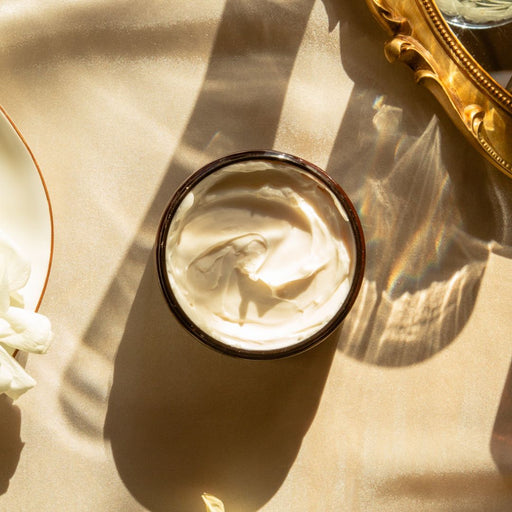
Texture: Buttery, whipped yet fast-absorbing
Color: Cream
Benefits & Features
Features essential fatty acids with omega-rich candlenut, avocado, and carrot seed oils with antioxidant vitamin E and indulgent Illipe butter. Antioxidant and anti-inflammatory ingredients help protect skin from environmental stress, sun damage, and dry climate.
Has a signature hydrating yet non-greasy feel, leaving skin feeling smooth and velvety.
Directions
This product can be used daily for maximum benefits.Warm the desired amount of product in the palm of your hand, letting it warm just slightly, and then massage creme gently into the skin until it is fully absorbed.
Apply generously on freshly cleansed skin or re-apply any time of day for a boost of moisture.
Ingredients
Candlenut Oil: Moisturizes and softens skin with a non-greasy, velvety feel. Rich in linoleic and linolenic acid, candlenut oil moisturizes and helps mend rough, chapped skin.Rice Bran Oil: Maintains elasticity. Rich in natural Vitamin E and essential fatty acids, rice bran oil intensely hydrate and help maintain youthful elasticity.Avocado Oil: Nourishes and calms. Traditionally used in Indonesia, Avocado Oil is richly hydrating and highly soothing.Illipe Butter: Moisturizes and protects. Provides a cushiony barrier to protect skin from dehydration, hard water and harsh elements.All Ingredients: Water/Eau, Cetearyl Ethylhexanoate, Emulsifying Wax NF, Cyclomethicone, Illipe (Shorea stenoptera) Seed Butter, Candlenut (Aleurites moluccana) Oil, Avocado (Persea gratissima) Oil, Stearyl Alcohol, Rice Bran (Oryza sativa) Oil, Dimethicone, Carrot (Daucus Carota sativa) Seed Oil, Potassium Hydroxide, Carbomer, Fragrance/Parfum, Phenoxyethanol, Caprylyl Glycol, Glycerin, Glyceryl Caprylate, Phenypropanol.
“Lorem ipsum dolor sit amet, consectetur adipiscing elit. Nulla quis diam lorem. Praesent auctor dapibus purus, eu facilisis nunc auctor et. In fermentum nunc et est vulputate malesuada.”
Is menopause making your skin itchy and irritated? Don’t worry, that can be a normal part of it. But there are plenty of things you can do about it.
We discuss some of the best approaches to keep your skin soothed and smooth, from science-backed products to simple lifestyle changes and more.
Key Takeaways
During menopause, estrogen levels decrease as production declines.
This decline in estrogen has many knock-on effects, including making the skin thinner and drier.
Thinner and drier skin is more likely to become irritated, inflamed, and itchy.
Women often describe menopause itchy skin as a prickly, pins-and-needles sensation accompanied by a persistent dryness.
Fortunately, there are plenty of ways to address this, including dedicated menopause skincare products, targeted anti-itch techniques, simple lifestyle changes, and more.
Understanding and Supporting Itchy Skin During Menopause
Metta Murdaya, co-founder of JUARASkincare, says:
"Itchy skin is one of the most common symptoms of menopause. During menopause, estrogen levels decrease, which can cause skin to become dry, thin, and itchy. Fortunately, there are plenty of ways to address this, from dedicated skin creams and moisturizers to simple lifestyle changes like shorter showers."
Menopause can cause a wide range of symptoms, from hot flashes to night sweats and more. However, one of the most common symptoms is itchy skin.
It's entirely normal for women to experience itchy skin during menopause. The process of menopause causes changes to the skin that make it more prone to itchiness. If you're going through menopause, you might have already noticed some of those changes.
But that doesn't mean you have to accept itchy and inflamed skin. There are plenty of ways you can support your skin health. Some techniques provide temporary relief, while others aim to provide a more permanent reduction or elimination of itching.
Before we cover those techniques, we need to explore why menopause so often causes itchy skin in the first place.
Menopause symptoms are usually caused by changes in hormones. As women age, their bodies naturally start producing different levels of various hormones.¹
This process actually starts before menopause itself. The transition to menopause is called perimenopause. It can last up to a decade.²
One of the key features of perimenopause is a decline in estrogen levels. During this process, the ovaries naturally produce less estrogen. This decline isn't necessarily steady, which can cause estrogen levels to fluctuate.³
Once menopause is reached, estrogen levels drop to less than 10 picograms per milliliter. Unlike perimenopause, in menopause, that decline is permanent.⁴
The decline in estrogen causes all kinds of changes. Common symptoms include hot flashes, flushes, night sweats, mood swings, and disrupted sleep.⁵
These happen because estrogen is linked to many important bodily parts and processes. It supports the health of the circulatory system, hair, muscles, brain, bones, and... the skin.
Menopause and Dry Skin
Estrogen supports skin health in two main ways.
First, it stimulates the production of natural oils and lipids, like sebum and ceramides.⁶ Your skin produces these to help stay hydrated.
Second, estrogen supports collagen production. Collagen is a crucial protein that provides structure, support, and elasticity to the skin. It's also crucial for maintaining skin thickness.⁷
The decline in the production of these crucial skin-supporting compounds has two major effects. As less oil is produced, skin hydration decreases. And with less collagen, the skin becomes thinner.
Dryer, thinner skin is far more likely to feel itchy.
Other Potential Skin Changes
Itchy skin is far from the only skin-related menopausal symptom. Other menopause symptoms to look out for include:
Rashes
Redness
Small bumps
Acne
Wrinkling
Pigmentation
Fortunately, many of the techniques we describe below aren't just great for itchy skin — they can also help reduce skin irritation and support overall skin health.
Remedies for Itchy Skin
Skin Cream
One great way to support itchy or irritated skin is through a dedicated skin cream.
For centuries, people have been using various herbs and botanical remedies for their skin-soothing properties. Tea, for example, is a staple of many ancient wellness practices, such as Jamu and Traditional Chinese Medicine. It's prized for its anti-inflammatory and anti-aging properties.⁸
These benefits have been confirmed by modern science.⁹ Research shows that black tea can reduce skin itching and irritation.¹⁰
That's why fermented sweet black tea is central to JUARA’s Skin Creme for Menopause. JUARA’s skincare development blends time-tested botanical traditions with modern science. The Miracle Tea Recovery Creme blends black tea with Spanish lavender extract and bio-retinol to act as a reset button for your skin.
“Products like the Miracle Tea Recovery Creme are both preventative but also restorative,” says Metta Murdaya, co-founder of JUARA. “They have active ingredients in it that help maintain and reduce the appearance of fine lines, wrinkles, and dullness.
Moisturizers
Moisturizers are central to many skincare routines. If menopause is causing your skin to become dry, itchy, and irritated, a good moisturizer is more important than ever.
JUARA’s Sweet Black Tea and Rice Moisturizer is one great option. Rice bran oil is rich in vitamin E and essential fatty acids, which help deliver intense hydration to dry skin.
The right moisturizer can also support skin that has become thinner as a result of menopause. This Sweet Black Tea and Rice Moisturizer also contains kombucha, or fermented black tea, a powerful antioxidant that can protect skin from irritating and damaging environmental stressors. It also has five-flavor berry, a superfood that can help promote collagen production.
Oatmeal Bath
Colloidal oatmeal is recognized by the FDA as a potent skin protectant that can temporarily relieve skin itching and irritation, and protect it from further irritation.¹¹ It's made by grinding oats and boiling the resulting powder; the extracted colloidal material is a rich source of beta-glucans, which have many potential benefits for the skin.
For example, dermatologist Dr. Arini Widodo notes that beta-glucans are "very good moisturizers" that can also "help strengthen skin immunity."
That's particularly important because skin thinning can cause the skin barrier to become more prone to irritation or damage.
One indulgent way of using colloidal oatmeal to help with itching is by adding it to your bath.
Cool Compress
A cool compress can tackle menopause itching, as well as other potential menopause symptoms like hot flashes. The coolness should help relieve the itching sensation, and you can apply the compress in specific places to target itchy areas.
There are plenty of ways to make a cool compress at home. The simplest option is a wet towel. Wrapping a cloth around a frozen pack of peas or something similar can also work in a pinch.
Applying your favorite moisturizer after finishing with the compress is an excellent way to help your skin lock in and retain moisture, extending the relief and benefits provided by the compress.
Humidifier
Dry air can draw moisture out of your skin, leaving it dry, irritated, and itchy.¹² And thinner skin is more prone to drying out.¹³
A good humidifier can add moisture to the air, making it (and, by extension, your skin) less dry. According to the Mayo Clinic, ideal humidity levels should be between 30% and 50%.¹⁴
How to Support Healthy Skin During Menopause
Using the above techniques to keep your skin moisturized are great ways to support itchy skin. But there are also some simple lifestyle changes that can help keep skin healthy and reduce the chance of it becoming itchy.
Change How You Bathe
Hot baths are a staple of wellness routines. But they might be a bad idea for itchy skin. Hot water can strip your skin of the natural oils that keep it hydrated, making it more prone to dryness and itchiness.
Remember, menopause can already reduce the amount of natural oils on your skin. That makes it even more sensitive to the drying effects of hot water.
Instead, consider lukewarm showers and baths. If you can't do without a little heat, try limiting your showers to five or ten minutes at most.
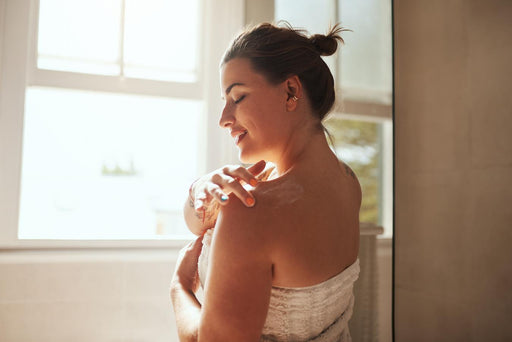
Of course, temperature isn't the only way to make bathing luxurious. A high-quality body oil can turn a short shower into a spa-like experience that leaves your skin feeling soothed and radiant.
For example, our Glow Body Oil is a lightweight but ultra-lux formula that deeply nourishes skin and provides long-lasting moisture. Like all JUARA products, it was developed with overall wellness in mind. The candlenut doesn't just help provide deep hydration and reduce inflammation, its iconic scent transports you to a tropical oasis for total relaxation.
Stick to Gentle Skincare Products
As we mentioned, thinner skin is more prone to irritation. Gentler skincare products that are kind to sensitive skin can help avoid potential irritation and itching.
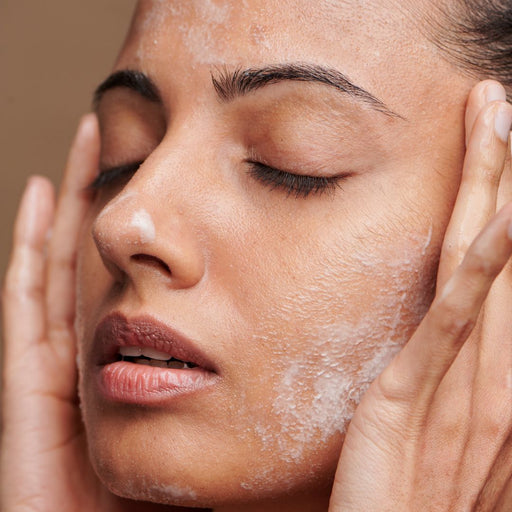
Try to avoid products with harsh chemicals, and consider switching to natural products if you haven't already. JUARA formulates its skincare products using botanical-based ingredients. For example, you might consider switching to an unscented moisturizer like our Oil-Free Black Tea & Ginger Moisturizer and a gentle cleanser like our Soothing & Gentle Gel Cleanser.
Avoid Scratching
We know how tempting it is to scratch an itch. While scratching might provide temporary relief, in the long run it can cause more irritation and even damage.
If you're totally unable to stop yourself from scratching, including at night, you could try wearing gloves. Soft, natural materials like cotton or silk are great options that feel light and soft while protecting your skin.
Stay Hydrated
Moisturizers, body creams, serums, and other skincare products are great ways to keep your skin hydrated and happy. So is drinking enough water.
Think of those products as adding hydration from the outside, while drinking water provides it from within. Of course, staying hydrated is important for overall health, too.
Conclusion
It's entirely natural for skin to become dry and itchy during menopause. The permanent decline in estrogen levels often causes skin to lose some of the natural oils and collagen necessary for maintaining hydration and preventing irritation.
It's also entirely natural to use herbal skincare products to address this itchiness. Women have been doing it for thousands of years. JUARA draws on these traditional wellness principles when developing modern skincare products like the Miracle Tea Recovery Creme for Menopausal Skin.
Skincare products like these are great ways to help soothe skin. Other techniques and simple lifestyle changes can further support skin health. And if you're still itching after all that, your healthcare provider can guide you toward even more steps to keep your skin healthy.
We all know what itching feels like. But menopause itching can often feel unique.
Women often describe the itching sensation as something prickly or crawly, almost like pins and needles. Another common descriptor is a feeling of persistent dryness.
That makes sense, as itchy skin during menopause is often caused by dryness. The decrease in estrogen causes skin to dry out, making it more prone to itching.
In turn, that's why using natural moisturizers and body creams is so important for supporting menopausal skin.
How to Stop Menopausal Itching?
There are plenty of ways to relieve itchy skin caused by menopause. Most methods try to address dry skin, as dry skin is more prone to itching.
A high-quality moisturizer is one solution. A body cream can also help relieve dryness, itchiness, and irritation caused by hormonal changes.
Other techniques include colloidal oatmeal baths, cool compresses, humidifiers, and avoiding hot showers.
Why Would I Suddenly Start Itching All Over?
Itching can be caused by many different things. If you happen to be a woman going through menopause, there's a chance your sudden itchiness is caused by hormonal changes.
In menopause, your body naturally produces far less estrogen than before. In turn, that can make your skin thinner and more prone to dryness, which makes it far more likely to become itchy.
Juara Skincare incorporates ancient rituals with Western skincare science, creating the ultimate beauty experience. We aim to transport you from the mundane to the extraordinary with our exotic ingredients, intoxicating scents, and powerful, skin-improving formulas. All of our products are nutrient-rich and botanically based. We are proud to be certified cruelty-free. Get the latest skin care tips and info on Juara products by learning more about our founders and following us on Twitter, Facebook, Instagram, LinkedIn, and Pinterest.
Metta Murdaya
Co-founder and CEO
Metta Murdaya is co-founder and CEO of JUARA Skincare, a skincare and beauty company inspired by the Indonesian wellness traditions of Jamu. Her award-winning book, Jamu Lifestyle, captures the essence of the Jamu philosophy, emphasizing the power of healthy, intentional, and joyful living. Guided by a deep commitment to societal betterment, Metta inspires individuals to thrive in mind, body, and spirit. As a wellness speaker and retreat guide, she contributes to the Global Wellness Institute’s Aesthetic Health Initiative and serves on the board of Mentari, supporting trafficking prevention and education initiatives in Indonesia and wellness programs in the U.S.