Getting enough sleep can feel impossible, and roughly one-third of adults aren’t able to manage it. But sleep is absolutely crucial for skin health. Read on to learn why that is and how you can support your skin (and yourself) while you sleep.
Key Takeaways
- Sleep is vital to overall health and wellness, and skin health is no exception.
- While we sleep, our skin undergoes repair and regeneration.
- Collagen production, blood flow, and cell turnover increase, helping our skin recover from the stresses of the previous day.
- Not getting enough sleep, or not getting good-quality sleep, can interfere with this process, leading to a host of skin-related issues.
- One of the best ways to support your sleep (and skin) is to stick to a healthy bedtime routine, which could include a restorative evening skincare routine.
See Related: Are Perfume Oils Better Than Perfume Sprays?
The Science of Beauty Sleep
It's no secret that sleep is important for overall health and wellness. Sleep is absolutely vital for mental and physical health, including skin health.
It's one thing to appreciate the importance of sleep. After all, we've all likely lost out on sleep at least once in our lives and felt the effects the following day.
But to fully understand why sleep is quite so vital, we need to explore what happens to our skin while we slumber.
How a Good Night's Sleep Impacts Skin Regeneration
You might think of sleep as a sort of time-out. However, while we're off in dreamland, our bodies are hard at work.
Sleep is a crucial period of recovery and regeneration. To help us fall asleep, the production of the sleep hormone melatonin increases. Melatonin helps us feel sleepy, but it is also an antioxidant that helps protect skin cells from damage.
As we slip into deep sleep, cell turnover (or mitosis), collagen production, and blood flow to the skin all increase. These processes help repair the damage our skin likely suffered during the day, from sun exposure or wrinkles.
Think of it like this. During the day, your skin is in protective mode, defending against all kinds of things. At night, it can take a well-deserved break, during which it shifts its focus to repair mode.
The Benefits of Quality Rest
When we allow our skin the quality sleep it needs, we're rewarded. Adequate sleep allows for cell regeneration, skin renewal, and the restoration of our skin barrier. After a good night's rest, you should wake up with revitalized skin that's ready to face the day ahead.
How Lack of Sleep Can Affect Your Skin
When we get insufficient sleep, we lose out on these potential benefits. Worse, sleep deprivation, especially chronic sleep deprivation, can lead to a host of issues.
Skin Aging
As we age, our skin changes. That's inevitable. But our sleep habits can affect how quickly and severely that aging progresses.
Research suggests that poor sleep contributes to increased signs of skin aging. For example, one study found that good sleepers had a 30% better recovery of skin barrier function than poor sleepers.
Crucially, this difference wasn't just detected through scientific measurement. According to the study, good sleepers also reported a better perception of their skin's appearance compared to poor sleepers.
Take collagen, for example. It's a protein that provides crucial support for our skin, keeping it taut and smooth. The importance of collagen is evident in how many skin care products contain it or work by promoting its production in the body.
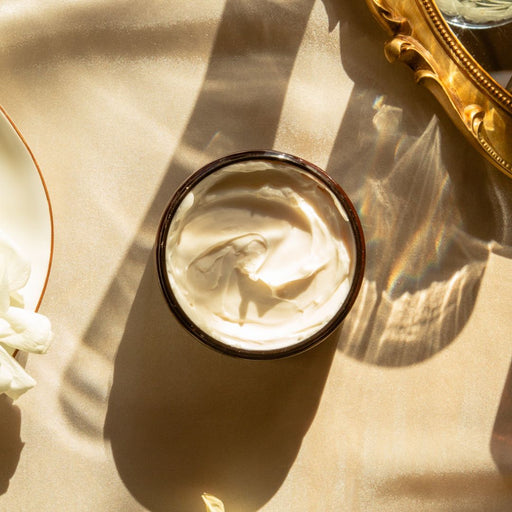
For example, our Sweet Black Tea & Rice Moisturizer contains a blend of five-flavor berries to help boost collagen production.
As we age, our bodies naturally produce less collagen. But poor sleep quality can advance this process, as it interrupts the crucial time during which collagen production is naturally supposed to increase. That can lead to classic signs of aging skin, like sagging and fine lines.
Dark Circles
Dark circles under the eyes are perhaps the most infamous sign of poor sleep.
Actually, dark circles are quite natural. They can occur due to genetics, are more common in people with darker skin tones, and often appear as we age.
However, various lifestyle factors can increase the likelihood of developing dark circles and can also make existing circles appear more prominent. These include dehydration, stress, and... lack of sleep.
The skin under our eyes is thin and delicate. When we miss out on our beauty sleep, this skin can become paler, allowing the blood vessels underneath to seem more visible.
How to Support Your Sleep & Skin
Fortunately, the way to avoid all this is simple: Get a good night's sleep. Unfortunately, that's sometimes easier said than done.
Sleep can seem like a mysterious force that comes and goes at will. But it's actually a natural process that we can support in various ways.
How Much Sleep Is Enough Sleep
The first step to establishing healthy sleep habits is figuring out how much sleep is enough.
No matter what anyone says, there's no single answer to this question. For one thing, the amount of sleep we need varies by age. Children and teenagers need more, as their bodies are growing, while adults and elderly folks generally need less.
Some people are also genetically capable of doing fine on less sleep than others.
According to research, the average adult should aim to get at least seven hours of good-quality sleep every night.
Following Your Circadian Rhythm
The keyword there is quality. Not all sleep is the same. Anyone who's spent a night tossing and turning knows that quality is just as important as quantity when it comes to beauty sleep.
Our bodies naturally follow a 24-hour sleep-wake cycle called the circadian rhythm. This cycle tells your body when it's time to wake and when to sleep.
The circadian rhythm is dictated by our brains. However, external factors can affect it. For example, light (blue light in particular) can tell our brains it's time to be awake.
In general, the circadian rhythm is aligned with the 24-hour day. That means we generally start to feel sleepy at night, when it's dark outside, and naturally become more alert in the morning, when it's brighter.
This rhythm also guides the skin repair processes we described above. Different phases of sleep allow our skin to undergo different phases of repair, from increasing blood flow to boosting collagen production and beyond.
Bonus: Skincare & Self-Care: 10 Mental Benefits of Skincare
It's therefore important to try to follow your body's rhythm. That said, different people might have different rhythms. Research suggests some people are naturally more inclined to be night owls, while others are naturally early risers.
It's not always possible to follow your circadian rhythm exactly. School, work, and other commitments might get in the way.
But when possible, try to work with your body's natural rhythms, rather than fighting them. Your skin will thank you!
Good Sleep Hygiene
There are plenty of ways to support our sleep.
The first, and perhaps most important, is establishing and sticking to a good sleep routine. In general, it's best to try to sleep and wake at roughly the same time every day.
Various things can interrupt that schedule. Light, for example, naturally makes your body feel more alert. An eye mask or blackout curtains can help prevent that and let you stay asleep.
Prioritizing sleep hygiene is also important.
For example, experts recommend winding down before bed to give your body time to prepare itself for sleep. Try to avoid screens (and blue light in general) and find a way to help yourself relax.
Meditation, mindfulness, and soft music are all great options. Some people swear by a warm shower with a luxurious shower gel. Others find a mood-boosting candle helpful.
One great way to establish (and stick to) a nighttime routine is to integrate it with your evening skincare routine. For example, you might treat yourself to a gentle cleanse and moisturizer before bed every night.
Night Creams
Night creams are skincare products that have been specifically designed to support your skin during the nighttime repair and regeneration process. They usually focus on supporting the skin's hydration balance.
Different people swear by different nighttime routines. Some use just one product, while others follow extensive 12-step skincare routines.
As with many things, the best option is likely somewhere in the middle. If you're not sure where to start, consider our Face Ritual. It contains four products, each specially formulated for a specific purpose.
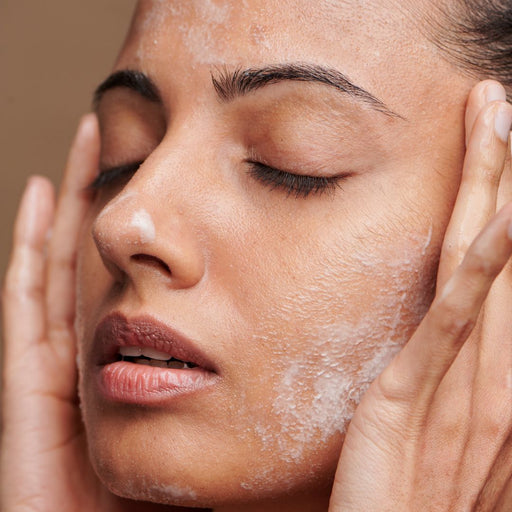
First, there's the Rice Facial Cleanser. Inspired by generations of Indonesian rice water traditions, this is a gentle cleanser that lifts away impurities and leaves your skin balanced and radiant.
Then there's the Triple Tea Antioxidant Essence. It's a thick hyaluronic acid essence that helps soothe, plump, and strengthen skin while keeping it moisturized.
Next comes the Clove Flower & Turmeric Anti-Aging Serum. A blend of palm peptides, hyaluronic acid, and our unique Radiance Complex (a combination of botanical actives naturally high in vitamin C) helps visibly soften lines and wrinkles.
Finally, there's the Sweet Black Tea & Rice Moisturizer. Rice bran oil and avocado extract lock in moisture, a blend of five-flavor berry helps prevent collagen breakdown, and kombucha helps reduce the appearance of fine lines.
Conclusion
Good sleep is crucial for healthy skin. While we sleep, our skin repairs and regenerates. Bad quality sleep or not enough sleep means losing out on these benefits, and can result in a host of other unwelcome outcomes.
There are plenty of ways to support high-quality sleep. In general, it's best to try to stick to a regular sleep schedule. One way of doing that is creating your ideal nighttime skincare routine to help you wind down and prepare for sleep.
Keep Reading: The 9 Best Body Scrubs for Smooth, Soft Skin
Frequently Asked Questions
What Is the Best Time to Sleep For Skin Repair?
Sleep is important for achieving radiant skin. It's the quality, quantity, and regularity of sleep that are important, rather than the specific time at which it occurs. Try to aim for at least seven hours of good-quality sleep at roughly the same time every night.
Some people might naturally prefer to stay up late and sleep in. Others do better with an early bedtime. If possible, find what sleep schedule works for you and stick to it.
That said, our sleep is naturally influenced by certain environmental conditions, like light. Most people will start to feel tired in the evening, when it's darker, quieter, and colder.
What Time Does Skin Regenerate at Night?
Your skin doesn't follow the clock on the wall. Instead, it follows your body clock.
That means there isn't a set "time" your skin will start regenerating. Instead, the process of regeneration begins when you start winding down for bed. As you slip into deeper stages of sleep, your skin continues to repair and regenerate.
That's why it's important to get enough sleep. You need to give your skin enough time to go through all these processes, ideally without interruption. The general recommendation for adults is at least seven hours of sleep each night, ideally at roughly the same time.
What Is the 3:2:1 Rule for Sleeping?
The 3:2:1 rule is less of a rule and more of a guide to achieving good sleep. It's a rough routine that aims to help people improve their sleep hygiene. The routine is as follows:
- Three hours before bed, stop eating. Snacking before bed can sometimes make it more difficult to fall and stay asleep.
-
Two hours before bed, start winding down. That means no more work, no important projects, nothing that will seriously stimulate the brain. Reading, soft music, calm conversation, or a warm shower (with your favorite hydrating shower gel) are all fine.
- One hour before bed, disconnect from all devices. Exposure to the light of screens can interfere with melatonin production, which can impact sleep quality. Avoiding devices also means avoiding all the potential excitement and stress they may contain, too.
--
Juara Skincare incorporates ancient rituals with Western skincare science, creating the ultimate beauty experience. We aim to transport you from the mundane to the extraordinary with our exotic ingredients, intoxicating scents, and powerful, skin-improving formulas. All of our products are nutrient-rich and botanically based. We are proud to be certified cruelty-free. Get the latest skin care tips and info on Juara products by learning more about our founders and following us on Twitter, Facebook, Instagram, LinkedIn, and Pinterest.