Scent: Fresh and uplifting. Notes of Tiare flower and jasmine with soft magnolia petals, violet leaves, green bamboo, and palm fronds evoke the smell of the dewy tea fields of Indonesia at sunrise.
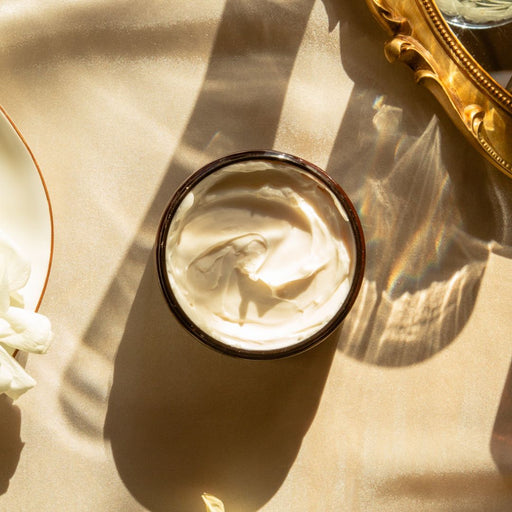
Texture: Buttery, whipped yet fast-absorbing
Color: Cream
Benefits & Features
Features essential fatty acids with omega-rich candlenut, avocado, and carrot seed oils with antioxidant vitamin E and indulgent Illipe butter. Antioxidant and anti-inflammatory ingredients help protect skin from environmental stress, sun damage, and dry climate.
Has a signature hydrating yet non-greasy feel, leaving skin feeling smooth and velvety.
Directions
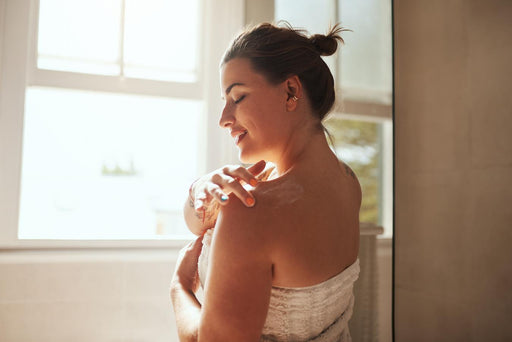
This product can be used daily for maximum benefits.Warm the desired amount of product in the palm of your hand, letting it warm just slightly, and then massage creme gently into the skin until it is fully absorbed.
Apply generously on freshly cleansed skin or re-apply any time of day for a boost of moisture.
Ingredients
Candlenut Oil: Moisturizes and softens skin with a non-greasy, velvety feel. Rich in linoleic and linolenic acid, candlenut oil moisturizes and helps mend rough, chapped skin.Rice Bran Oil: Maintains elasticity. Rich in natural Vitamin E and essential fatty acids, rice bran oil intensely hydrate and help maintain youthful elasticity.Avocado Oil: Nourishes and calms. Traditionally used in Indonesia, Avocado Oil is richly hydrating and highly soothing.Illipe Butter: Moisturizes and protects. Provides a cushiony barrier to protect skin from dehydration, hard water and harsh elements.All Ingredients: Water/Eau, Cetearyl Ethylhexanoate, Emulsifying Wax NF, Cyclomethicone, Illipe (Shorea stenoptera) Seed Butter, Candlenut (Aleurites moluccana) Oil, Avocado (Persea gratissima) Oil, Stearyl Alcohol, Rice Bran (Oryza sativa) Oil, Dimethicone, Carrot (Daucus Carota sativa) Seed Oil, Potassium Hydroxide, Carbomer, Fragrance/Parfum, Phenoxyethanol, Caprylyl Glycol, Glycerin, Glyceryl Caprylate, Phenypropanol.
“Lorem ipsum dolor sit amet, consectetur adipiscing elit. Nulla quis diam lorem. Praesent auctor dapibus purus, eu facilisis nunc auctor et. In fermentum nunc et est vulputate malesuada.”
Skin loosening is a natural and practically inevitable feature of aging. But that doesn't mean there's nothing you can do about it. We discuss the best ways to tighten loose skin, from science-backed products to tailored exercise regimens.
Key Takeaways
As we age, our skin naturally loses tightness and elasticity.
This process can be accelerated by external factors, like sunlight and smoking, and lifestyle changes can prevent premature skin loosening.
However, mature skin also naturally produces less of the proteins that help keep skin tight and elastic.
We can address that with skincare products rich in ingredients that stimulate the production of proteins, like retinols and peptides.
Skin looseness on the legs is also often caused by a reduction in muscle, which can be addressed through exercise and diet.
Metta Murdaya, co-founder of JUARA Skincare, says:
"Most people will experience skin loosening as they age. Various factors can contribute to this, including the natural loss of collagen and muscle tone. There are many ways to support aging skin, including exercise, diet, and skincare products that help support collagen production or are rich in hyaluronic acid or retinoids."
Loose skin can happen for many different reasons. Significant weight loss is one. Pregnancy is another.
One of the most common causes of loose skin is something everybody experiences: aging.
The aging process affects our bodies and skin in several different ways. For many people, these natural changes result in looser or sagging skin. In fact, almost everyone will experience some degree of loose skin as they age.
This process might be totally natural, but that doesn't mean you can't do anything about it. There are plenty of techniques and products that can support mature skin, prevent premature aging, and help you have firmer skin.
Many of these techniques and products are also great for your overall health, too. It's important to take a holistic approach to skin health; as we age, our skin needs extra support, whether it's loosening or not.
The Science Behind Loose Skin
As we mentioned above, many things can contribute to loose skin, on the legs and beyond. In some cases, these are unavoidable, natural changes that happen to almost everybody as part of the aging process.
But other factors can be avoided, or at least minimized.
Collagen and Elastin
Collagen and elastin are two proteins that are essential for skin health, function, and tightness.
Elastin fibers are responsible for maintaining skin elasticity. Think of these fibers like elastic bands. They're behind your skin's ability to stretch and snap back into place.¹
However, like elastic bands, these fibers degrade over time. And as we age, elastin production naturally decreases.²
Collagen, meanwhile, is crucial for maintaining the structure of the skin. It's also a key part of the skin barrier, which helps retain moisture.³
As we age, collagen production naturally decreases.
"Less collagen and elastin production," explains Dr. Elaine Kung in conversation with JUARA co-founder Metta Murdaya, "means we'll see things like fine lines, wrinkles, sagging skin, and loose skin."
Muscle Tone
Another natural age-related change that affects skin tightness is muscle mass and muscle tone.
As we age, we naturally lose muscle. Muscle mass decreases by roughly 3-8% each decade after the age of 30, and declines even faster after 60.⁴
Those figures are based on people who are inactive. But even active people will naturally lose at least a little muscle over time. The process is called sarcopenia.
This loss in muscle tone can contribute to sagging skin.⁵
Menopausal Changes
Menopause causes many natural changes throughout the body. Some of these changes affect the skin.
For example, the decline in estrogen production caused by menopause also causes a decline in collagen production. It can also reduce the production of sebum, a natural oil that helps keep your skin hydrated, and hyaluronic acid, which also helps support skin hydration.⁶
These changes can undermine skin firmness and elasticity, causing looseness.⁷
Oxidative Stress
Oxidative stress is a type of damage caused by highly reactive molecules called free radicals. When too many of these molecules concentrate in the skin, they can overwhelm our natural defenses and cause widespread damage.
For example, free radicals can contribute to the degradation of existing collagen and elastin. Free radicals can even directly damage the DNA in cells. As such, these troublesome molecules can undermine skin texture and significantly contribute to loose skin.⁸
Free radicals are naturally produced by the body. But they can also come from the environment.
Sunlight is one of the most common sources of free radical damage to the skin. UV radiation is crucial for overall health, as it provides vitamin D, but it also damages skin, in large part by causing the formation of free radicals.⁹
Other things can undermine skin health and firmness, like smoking, alcohol, and skincare products that contain harsh chemicals.
Tips for Tightening Loose Skin on the Legs(and Better Skin Health Overall)
Some of the factors we just described are avoidable. Wearing sunscreen, for example, can help protect your skin from UV radiation and therefore help prevent premature skin aging.
But many of the above factors are unavoidable. They are simply natural features of aging.
Still, there are many ways you can support skin health, achieve skin tightening, and retain younger skin for longer.
Firming Creams
Skin-firming products and creams are those that aim to help you achieve tighter skin. Different products aim to achieve this in different ways. The key is to look for ingredients that have been proven to help keep skin tight in scientific studies.
One of those ingredients is retinoids. Retinoids refer to a group of similar compounds, all based on vitamin A. Research suggests these compounds can help support skin quality and even improve skin tightness.
Retinoids and their gentler cousin, retinols, work by encouraging cell turnover. By doing this, they can improve skin thickness, increase the production of hyaluronic acid, and boost collagen production.¹⁰
One study found that retinoid use usually results in visible tightening of skin within a few weeks.¹¹ And a scientific review of many studies concluded that retinoids can be effective in reducing fine lines and wrinkles.¹²
JUARA's Miracle Tea Face Cream for Menopausal Skin contains bio-retinol. This plant-based alternative to retinol gently refines skin texture and softens fine lines without irritation. It's designed for the face, but you can use it on your legs, too.
"It would be a great alternative for those who cannot tolerate the regular retinol," notes Dr. Arini Widodo in conversation with JUARA co-founder Metta Murdaya.
Support Collagen Production
Retinoids and retinols are one way to stimulate collagen production. Another group of compounds that can achieve this is peptides.
Peptides are amino acids, which are the building blocks of proteins like collagen and elastin. There are many different kinds of peptides, each with different functions.
They all work in the same basic way, by communicating with skin cells. For example, signal peptides stimulate skin repair, pushing the skin to produce more elastin and collagen.¹³
One 2024 study found that applying collagen peptides to the skin resulted in increased collagen expression.¹⁴
JUARA's new Radiance Complex Plumping Serum contains turmeric and palm peptides, which help boost elastin and collagen production for a firmer, smoother, and plumper appearance. These natural peptides are combined with a unique blend of vitamin-c-rich botanical actives, including turmeric and green tea, which help brighten and protect skin. JUARA selects ingredients based on both clinical guidance and botanical research.
Just as muscle loss contributes to skin laxity, building muscle mass can help make skin appear tighter and firmer. Of course, exercise is also fantastic for overall health.
An exercise regimen tailored to tightening loose skin should focus on building muscle in the areas you want to target. For example, if you want to focus on the legs, consider incorporating exercises like squats, lunges, step-ups, bridges, and leg presses (using a leg press machine).¹⁵
Eating a protein-rich diet is necessary when building muscle. And a healthy, balanced diet is important for overall health, including skin health. Consider incorporating foods rich in collagen, like fish and lean meats.¹⁶
Massage Therapy
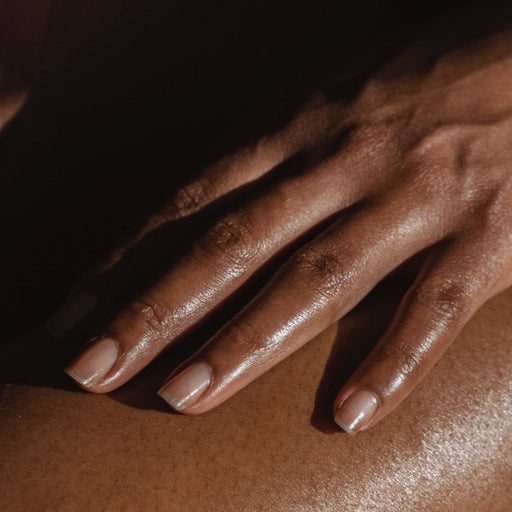
Massages can help tighten skin in multiple ways.
They can improve blood flow, which stimulates cells that produce collagen and elastin. For example, a 2025 study found that facial massages improved skin elasticity.¹⁷
Massages can also release tension, flush out toxins, and ease muscle soreness after exercise.¹⁸
Conclusion
It's natural for skin to loosen with age. In fact, practically everyone will experience this at some point in their lives.
There are many ways to support skin health and tighten skin. Skincare products rich in retinols or peptides can stimulate the production of proteins that keep the skin elastic and firm. Exercise can help counteract natural muscle loss, improving skin tightness.
These techniques are also great for supporting overall skin health.
Skin naturally loses tightness with age. That's inevitable, but there are ways to support your skin health and improve tightness, including after the age of 50.
One great option is to incorporate skincare products rich in retinols, peptides, and/or hyaluronic acid into your skincare routine. Research shows that retinols and peptides can stimulate the production of proteins that keep your skin firm and elastic. And hyaluronic acid helps keep skin hydrated, reducing looseness caused by dryness.
Can a 50-year-old Woman Tone Her Legs?
Yes! There are plenty of exercises that can help improve muscle tone and mass in the legs. Squats, lunges, and leg presses are all great options.
A healthy, balanced diet rich in protein and essential nutrients is also important for building muscle. Increasing muscle mass usually means tighter-looking skin.
Skincare products can also help tone skin. For example, JUARA's Radiance Complex Plumping Serum brightens dullness, evens skin tone, and helps protect against damage. 91% of women who used it saw improved skin smoothness in a matter of weeks.
How to Tighten Aging Skin on Legs?
There are many ways to tighten aging skin on the legs.
One great method is building muscle. Try to focus on exercises that build muscle in the legs, like squats and lunges. More muscle can help tighten loose skin.
Skincare products can also help support and tighten aging skin. As we age, our bodies naturally produce less collagen and elastin, two proteins necessary for skin tightness and elasticity. Products with retinol or peptides, like JUARA's Miracle Tea Recovery Creme and Radiance Complex Plumping Serum, can help stimulate the production of these proteins.
Juara Skincare incorporates ancient rituals with Western skincare science, creating the ultimate beauty experience. We aim to transport you from the mundane to the extraordinary with our exotic ingredients, intoxicating scents, and powerful, skin-improving formulas. All of our products are nutrient-rich and botanically based. We are proud to be certified cruelty-free. Get the latest skin care tips and info on Juara products by learning more about our founders and following us on Twitter, Facebook, Instagram, LinkedIn, and Pinterest.
Metta Murdaya
Co-founder and CEO
Metta Murdaya is co-founder and CEO of JUARA Skincare, a skincare and beauty company inspired by the Indonesian wellness traditions of Jamu. Her award-winning book, Jamu Lifestyle, captures the essence of the Jamu philosophy, emphasizing the power of healthy, intentional, and joyful living. Guided by a deep commitment to societal betterment, Metta inspires individuals to thrive in mind, body, and spirit. As a wellness speaker and retreat guide, she contributes to the Global Wellness Institute’s Aesthetic Health Initiative and serves on the board of Mentari, supporting trafficking prevention and education initiatives in Indonesia and wellness programs in the U.S.