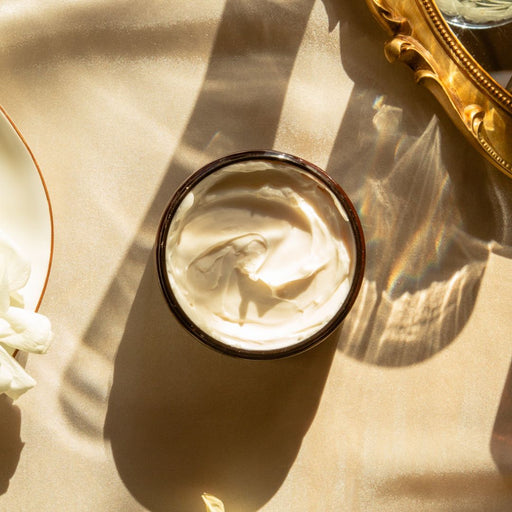
Scent: Fresh and uplifting. Notes of Tiare flower and jasmine with soft magnolia petals, violet leaves, green bamboo, and palm fronds evoke the smell of the dewy tea fields of Indonesia at sunrise.
Texture: Buttery, whipped yet fast-absorbing
Color: Cream
Benefits & Features
Features essential fatty acids with omega-rich candlenut, avocado, and carrot seed oils with antioxidant vitamin E and indulgent Illipe butter. Antioxidant and anti-inflammatory ingredients help protect skin from environmental stress, sun damage, and dry climate.
Has a signature hydrating yet non-greasy feel, leaving skin feeling smooth and velvety.
Directions
This product can be used daily for maximum benefits.Warm the desired amount of product in the palm of your hand, letting it warm just slightly, and then massage creme gently into the skin until it is fully absorbed.
Apply generously on freshly cleansed skin or re-apply any time of day for a boost of moisture.
Ingredients
Candlenut Oil: Moisturizes and softens skin with a non-greasy, velvety feel. Rich in linoleic and linolenic acid, candlenut oil moisturizes and helps mend rough, chapped skin.Rice Bran Oil: Maintains elasticity. Rich in natural Vitamin E and essential fatty acids, rice bran oil intensely hydrate and help maintain youthful elasticity.Avocado Oil: Nourishes and calms. Traditionally used in Indonesia, Avocado Oil is richly hydrating and highly soothing.Illipe Butter: Moisturizes and protects. Provides a cushiony barrier to protect skin from dehydration, hard water and harsh elements.All Ingredients: Water/Eau, Cetearyl Ethylhexanoate, Emulsifying Wax NF, Cyclomethicone, Illipe (Shorea stenoptera) Seed Butter, Candlenut (Aleurites moluccana) Oil, Avocado (Persea gratissima) Oil, Stearyl Alcohol, Rice Bran (Oryza sativa) Oil, Dimethicone, Carrot (Daucus Carota sativa) Seed Oil, Potassium Hydroxide, Carbomer, Fragrance/Parfum, Phenoxyethanol, Caprylyl Glycol, Glycerin, Glyceryl Caprylate, Phenypropanol.
“Lorem ipsum dolor sit amet, consectetur adipiscing elit. Nulla quis diam lorem. Praesent auctor dapibus purus, eu facilisis nunc auctor et. In fermentum nunc et est vulputate malesuada.”
Your skin barrier is perhaps the most important thing for skin health and hydration. But over 80% of people experience potential skin barrier damage.¹
We explain the science behind your skin barrier, what can damage it, and how you can protect it to keep your skin radiant all year round.
Key Takeaways
Your skin barrier keeps potentially harmful substances out of your body and keeps vital moisture locked in.
It's made up of a mix of protective lipids and protein-rich cells, which together form a sort of brick wall.
Many things can damage your barrier, including UV radiation, dry air, harsh chemicals, and more.
To protect your barrier, try to minimize your exposure to these potentially damaging factors, and stick to a skincare routine tailored for barrier support and repair.
Look out for products with ingredients that have been shown in studies to support barrier function and repair, including hyaluronic acid, ceramides, and essential fatty acids.
Metta Murdaya, co-founder of JUARA Skincare, says:
"The outermost layer of your skin acts as the skin barrier, retaining moisture and protecting your body from potentially harmful substances. A damaged skin barrier often manifests as dry, irritated, and inelastic skin."
Your skin barrier is incredibly important, both for skin health and overall wellness. A healthy skin barrier acts like a shield, protecting your body from harmful bacteria, chemicals, pollutants, allergens, free radicals, and many other potentially harmful substances.
However, like any shield, your skin barrier can become damaged. And a damaged skin barrier is far less effective, which can cause various problems.
You've likely experienced at least some of these problems. One of the most common signs of a compromised skin barrier is persistent dryness, and surveys suggest over three-quarters of Americans experience this every year.²
Fortunately, there are many ways you can protect your skin barrier and support its recovery process.
Understanding Healthy Skin Barrier Function
Knowing how to support your skin barrier means understanding what makes it work.
Your skin barrier has two major functions. We mentioned the first, which is protecting your body from damage.
The second function is retaining moisture. Your skin naturally loses water over time through evaporation in a process called trans epidermal water loss, or TEWL. A healthy skin barrier can minimize this water loss, keeping your skin hydrated and happy.
But how does the barrier actually work?
Skin Barrier Structure
Your skin is made up of many different layers. Each is important, but it's the outer layer that is generally considered the skin barrier. It's called the stratum corneum.
Think of this layer as a sort of brick wall. It's made up of specialized, tough, and essentially dead skin cells, which are like the bricks. Between them is a mix of lipids, including essential fatty acids, that acts as a kind of mortar.
Your skin barrier is tailored to keep your body and skin healthy and hydrated. However, it's vulnerable to damage.
Sun Exposure
Sunlight is vital for overall wellness. But UV rays damage the skin, too. They cause the formation of free radicals, reactive molecules that cause a type of damage called oxidative stress.
Harsh Chemicals
As you might imagine, harsh chemicals and pollutants can damage your skin barrier.³ But these chemicals are more common than you might think.
They can be present in household cleaners, pesticides, and other similar products. But studies have shown that even some synthetic-based skincare products can contain harsh and potentially damaging chemicals.⁴
These synthetic chemicals aren't just dangerous for the skin barrier. They can pose risks to overall health, too. As one scientific paper from 2024 noted, "users of synthetic, chemical-based cosmetics are exposed to significantly higher risks than those opting for natural alternatives."⁵
That’s why JUARA only formulates its skincare products using botanical-based ingredients.
Hot Water
Hot water may feel soothing, but it can actually damage your skin.
It does this in two ways. First, it can strip away the natural oils, called sebum, which your skin produces to maintain hydration. Second, hot water can even break down the lipids in your skin barrier.
In one study, fifty participants were exposed to hot water. After exposure, TEWL more than doubled.⁶
Dry Air
Dry air is bad news for your skin. It can pull water from your skin, increasing TEWL and leaving your skin dry and irritated.⁷
Low temperatures can also contribute to this process, which is why so many people say their skin feels different in winter.⁸
One scientific review concluded that low humidity and temperatures "lead to a general decrease in skin barrier function." In turn, this makes skin more susceptible to irritation.⁹
Aging
One of the downsides of skin barrier damage is accelerated aging in the skin. But aging itself can also weaken and even damage the skin barrier.
As we age, our skin naturally undergoes various changes.¹⁰ It becomes thinner, and as our bodies produce less structural proteins like collagen and elastin, it becomes less elastic.
Some of these natural processes are also triggered or accelerated by menopause.
However, these changes can result in a compromised skin barrier. In other words, protecting your skin barrier becomes all the more important as you age.
Signs of a Compromised Skin Barrier
As we mentioned, premature aging is one sign of a compromised barrier. If your barrier is damaged, you may notice your skin is dull or rough.
The most common sign of skin barrier damage is dryness. Itchiness and general irritation are also common. A damaged skin barrier is usually more reactive, meaning you might have a reaction to products that previously worked just fine.
Skin barrier damage can also make acne more likely. In serious cases, damage can make the skin more vulnerable to infection.
How to Protect Your Skin Barrier
Fortunately, there are plenty of ways to prevent your barrier from becoming damaged and help it recover from damage.
Avoid Damage
The first thing to do is try to avoid things that can cause skin barrier damage in the first place.
Experts generally recommend a broad-spectrum sunscreen of at least SPF 30.¹¹ Consider getting a gentle sunscreen that won't irritate your skin, especially if it's already damaged.
If you think dry air is damaging your skin barrier, make sure to moisturize frequently and consider investing in a humidifier. To prevent damage from hot water, consider switching to lukewarm showers.
Sleep is also important. It's when your skin switches into repair and recovery mode. Good sleep hygiene, including a tailored bedtime skincare routine, can help.
Another important step is avoiding environmental stressors, like harmful irritants and harsh soaps. Consider swapping synthetic skincare products for those formulated with natural, botanical ingredients. JUARA uses plant-derived ingredients often used in traditional medicine.
Of course, it's unrealistic to try to avoid every source of possible damage. For example, if you live somewhere with harsh winters, you'll inevitably be exposed to cold weather and dry air.
That's where skincare products come in.
Hyaluronic Acid
As we mentioned, one of the main issues with a compromised barrier is moisture loss. One of the best ingredients to help rebuild and support this moisture barrier is hyaluronic acid.
Hyaluronic acid, or HA, plays a central role in your skin barrier. As a 2025 scientific review noted, HA helps the skin cells in your barrier function properly.¹² It also supports your skin's natural balance, or homeostasis, and is even involved in the healing process.¹³
Research has also shown that hyaluronic acid levels can naturally decline with age.¹⁴
Products with HA can therefore be an excellent choice for preventing or recovering from skin barrier damage. For example, one study found that a product with HA significantly increased skin hydration and reduced TEWL for 24 hours after application.¹⁵
One option is JUARA's Sensica Gentle Gel Cleanser. It's packed with skin-supporting ingredients, including antioxidants and ceramides, to gently cleanse and uplift sensitive skin. And it contains sodium hyaluronate, a type of hyaluronic acid.
Another option is JUARA's Oil-Free Moisturizer. It contains 0.2% hyaluronic acid, as well as kombucha and ginger to protect and refine skin.
Ceramides
Ceramides are another crucial part of your skin barrier. In fact, they comprise roughly half of the lipids (or mortar) in your barrier.
A 2025 scientific review concluded they are "crucial for maintaining the skin barrier and hydration."¹⁶ Another review, also from 2025, noted that studies have established that products containing ceramides can help maintain hydration and support a moisture barrier.¹⁷
Many natural oils contain potent bioactive ingredients that can contribute to skin barrier recovery and protection.¹⁸
For example, avocado oil is rich in essential fatty acids like linoleic acid and oleic acid, which have been shown in research to promote skin barrier function. One study found that applying linoleic acid "rapidly reversed" a defect in barrier function.¹⁹ And a 2024 review noted that oils rich in linoleic acid can promote barrier repair.²⁰
Candlenut oil is another natural oil rich in linoleic acid, as well as other essential fatty acids. This oil also contains antioxidants, like vitamins E and C, which can help protect the skin against oxidative stress.²¹
The oil you use depends on your skin type, needs, and personal preference.
One great option is JUARA's Candlenut Glow Body Oil. It's a luxurious blend of candlenut oil and passionfruit oil, plus other skin-supporting ingredients like antioxidant-rich moringa oleifera.
"When we use candlenut," explains dermatologist Dr. Arini Widodo in conversation with JUARA co-founder Metta Murdaya, "it has lots of nutrients inside. It has vitamin C, it has vitamin E, it has linoleic acid, oleic acid — packed in only one ingredient. Usually, the vitamins inside those [natural] oils are much more stable."
JUARA's Radiance Vitality Oil also contains candlenut oil, as well as avocado oil, macadamia nut oil, and passionfruit oil.
If you prefer a cream to an oil, consider opting for a cream containing these natural oils. For example, JUARA's Tiare Jasmine Body Creme contains candlenut oil, rice bran oil, and avocado oil. Our Candlenut Hydrating Shower Gel includes candlenut oil. And our Coconut Illipe Hand and Nail Balm contains coconut oil, candlenut oil, and wild mangosteen butter to protect and deeply nourish delicate skin.
Conclusion
Your skin barrier is extremely important for skin health and overall wellness. It keeps potentially harmful substances out and vital moisture in.
However, it's also vulnerable to damage. Hot water, dry air, harsh chemicals, lack of sleep, and many other factors can weaken, undermine, and damage your skin barrier.
Avoiding these potential sources of damage is therefore important for protecting your skin barrier. Products with science-backed, skin-supporting ingredients like hyaluronic acid, ceramides, and natural oils can all help protect and repair your skin barrier.
How Do You Know When Your Skin Barrier Is Damaged?
You can usually see and feel when your skin barrier is damaged. The most common sign is persistent dryness. Other signs include itching, redness, dullness, skin flakes, tightness, and increased sensitivity.
How to Fix a Damaged Skin Barrier?
Fixing a damaged skin barrier involves supporting your skin's natural recovery process. That means hydrating with a high-quality moisturizer and supporting with body oils and night creams.
Look for products with ingredients that have been shown in studies to help promote barrier repair, like hyaluronic acid, ceramides, and essential fatty acids. Make sure you only use gentle products, as a damaged barrier often makes your skin more prone to irritation.
What Products Destroy the Skin Barrier?
Skincare products with harsh ingredients can damage your skin barrier. Look out for products that are too acidic or alkaline, or those containing synthetic ingredients that may cause irritation and damage.
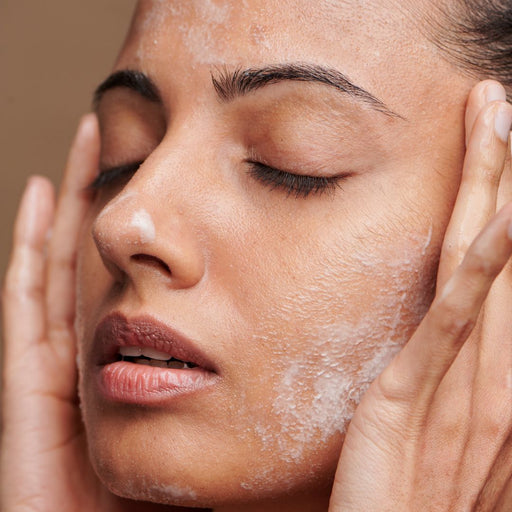
Over-exfoliating can also damage the skin barrier. Make sure to use a high-quality, gentle exfoliant like JUARA's Radiance Enzyme Scrub. Apply it gently and limit use to one or two times per week.
Juara Skincare incorporates ancient rituals with Western skincare science, creating the ultimate beauty experience. We aim to transport you from the mundane to the extraordinary with our exotic ingredients, intoxicating scents, and powerful, skin-improving formulas. All of our products are nutrient-rich and botanically based. We are proud to be certified cruelty-free. Get the latest skin care tips and info on Juara products by learning more about our founders and following us on Twitter, Facebook, Instagram, LinkedIn, and Pinterest.
Metta Murdaya
Co-founder and CEO
Metta Murdaya is co-founder and CEO of JUARA Skincare, a skincare and beauty company inspired by the Indonesian wellness traditions of Jamu. Her award-winning book, Jamu Lifestyle, captures the essence of the Jamu philosophy, emphasizing the power of healthy, intentional, and joyful living. Guided by a deep commitment to societal betterment, Metta inspires individuals to thrive in mind, body, and spirit. As a wellness speaker and retreat guide, she contributes to the Global Wellness Institute’s Aesthetic Health Initiative and serves on the board of Mentari, supporting trafficking prevention and education initiatives in Indonesia and wellness programs in the U.S.