Beauty rituals aren't always about how your skin looks. Sometimes they're about how your whole body feels. In Bali, one of those rituals is boreh, a traditional herbal paste you smooth onto the skin as a warming, comforting treatment. It's made from mixtures of herbs, spices, flowers, fruits, and other natural ingredients, and it's been part of Balinese wellness culture for a long time, mostly as an external body treatment.
In Indonesian tradition, beauty and well-being are tied together. JUARA Skincare’s philosophy draws on Jamu, the Indonesian herbal health tradition that turns roots, plants, and fruits into tonics and beauty rituals meant to support wellness from the inside out. Boreh fits into that same world, full of plants, touch, warmth, and intention.
⭐ Shop the JUARA products mentioned in this blog!
⇒ Invigorating Coffee Body Scrub
⇒ Candlenut Body Creme
What Is Boreh?
People usually describe boreh as a paste-like body treatment. In older Balinese practice, you'd grind dried or fresh herbs, mix them with a liquid, and then smear the paste onto the skin. That act of applying it has its own name: meboreh.
Traditionally, boreh was tied to comfort after physical work. Some connect it to farmers looking for warmth and relief after long hours in the fields. These days you'll often find boreh as a spa ritual, but its origins are humbler and more intimate: prepared at home, built on plant knowledge, and passed down through community memory. One study points out that boreh recipes have always shifted depending on what ingredients were around, what the oral traditions said, and what local knowledge held, instead of following a single fixed formula.
The Three Traditional Types of Boreh

Balinese tradition sorts boreh into several types based on how it affects the body. The three major types are: boreh anget, boreh miyik, and boreh tis.
Boreh anget is the warming type. "Anget" refers to warmth, and this is usually considered the classic form. It's tied to that warm sensation on the skin and was traditionally used for comfort, relaxation, and recovery after work.
Boreh miyik is the fragrant type. "Miyik" means fragrant, and this version leans on aromatic flowers or herbs like gardenia, lavender, or rose. It's the one most connected to beauty and pure sensory enjoyment.
Boreh tis is the cooling, milder type. It might include vegetables or fruits such as avocado, papaya, cucumber, carrot, yam, or jicama. Where warming boreh heats things up, boreh tis offers something gentler and fresher.
That range is part of what makes boreh interesting. It isn't one recipe but a flexible ritual shaped by climate, purpose, and place.
Common Boreh Ingredients
Since recipes vary, there's no single universal ingredient list. Still, some ingredients come up again and again in studies and traditional accounts: coffee, ginger, turmeric, rice grain, moringa leaves, and cinnamon. Contemporary spa-style recipes also tend to mention warming spices and botanicals like ginger, galangal, clove, turmeric, nutmeg, pepper, and rice.

Each one adds something to the ritual. Rice gives the paste a soft, scrub-like texture. Ginger and roots like it bring the warmth. Turmeric lends a golden color and carries a long history in Southeast Asian beauty and wellness. Clove and other spices deepen the aroma.
Modern skin science adds some useful context here. Rice starch has been studied for how it helps the skin barrier recover in irritated skin, with one study finding better healing in damaged skin exposed to rice-starch bath water. Turmeric's active compounds, especially curcumin, have been studied in dermatology for their antioxidant and anti-inflammatory potential too, though that research is still developing and shouldn't be inflated into miracle claims.
Traditional doesn't automatically mean suitable for every skin type, though. Strong spices and essential oils can irritate sensitive skin. Clove oil, for instance, is a recognized cause of allergic contact dermatitis, and ginger can irritate some people when applied directly. So a modern take on boreh should be thoughtful, gentle, and patch-tested.
Why Boreh Feels So Different From a Regular Body Scrub
A regular scrub is usually built around exfoliation. Polish, rinse, and you’re done. Boreh is more holistic. It's about warmth, aroma, the circulation of feeling, and the pause itself.
The ritual asks you to slow down. You apply the paste, leave it on briefly, then rinse it away. The whole thing is tactile and aromatic. The graininess of rice, the warmth of ginger, the golden earthiness of turmeric, the comforting scent of spice — everything mingles together in a way that just feels right.

That's what makes boreh feel more like a full-body reset. It reflects how, in Indonesian rituals, care shouldn't feel punishing. In our Jamu-inspired philosophy, joy, community, beauty, and sensory pleasure are part of wellness, not separate from it.
How to Take Inspiration From Boreh at Home
You don't need to recreate a traditional recipe exactly to draw something from it. Since some traditional ingredients run strong on the skin, a modern at-home version is better off chasing the spirit of the ritual.
Start with a warm shower. Let the water soften your skin and get your body ready for moisture. Reach for a gentle cleanser rather than anything too harsh or stripping. Once you've cleansed, massage slowly, paying attention to the spots that feel tense or dry, like shoulders, arms, legs, elbows, and knees.
Then follow with a nourishing body cream or oil while your skin is still slightly damp. This is where a boreh-inspired ritual gets practical for modern life. You're truly taking a moment to reconnect with your body.
For the aromatic side, pick warm, grounding scents: ginger, clove, turmeric, sandalwood, vanilla, coconut, or soft florals. You’re not looking for intensity. It’s comfort that you seek.
A Boreh-Inspired Body Care Ritual with JUARA

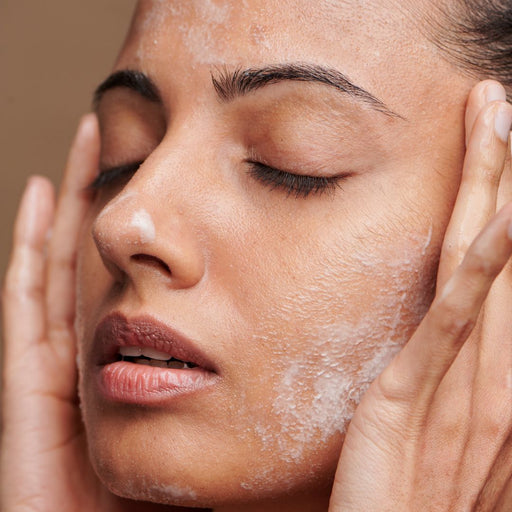
With our Invigorating Coffee Body Scrub, you can transform an everyday shower routine into a sensible, intimate ritual. The Coffee Body Scrub is inspired by boreh and is made with the scent of dark-roasted Sumatra coffee beans, giving the exfoliation step a sensory, energizing quality. Rather than treating exfoliation as something harsh or rushed, this step can become a moment of renewal: massaging the scrub onto damp skin, breathing in the coffee aroma, and letting the texture help polish away dullness.

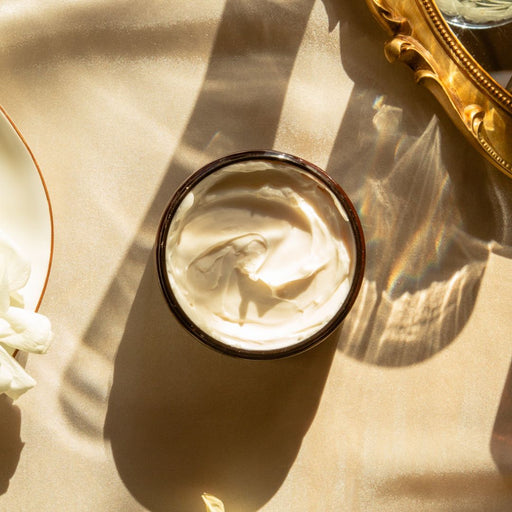
After rinsing, the ritual shifts from stimulation to nourishment. Our Candlenut Body Creme brings the soft, comforting side of body care into focus. The formula features candlenut oil, rice bran oil, avocado oil, and illipe butter and is fast-absorbing, non-greasy, and suited for very dry or sensitive skin. Applied while the skin is still slightly damp, it helps turn the end of a shower into a sealing-in step: a way to leave the skin feeling soft, velvety, and cared for.
Together, the scrub and body creme echo a rhythm of awakening, smoothing, rinsing, restoring. It’s a modern body-care ritual shaped by the same larger idea: that caring for the skin can also be a way of caring for the whole self.
How To Keep the Ritual Respectful

Boreh isn't simply a "trend ingredient" or a spa aesthetic. It's part of Balinese cultural knowledge and Indonesian wellness heritage. A respectful modern approach means acknowledging where it comes from, resisting the urge to exaggerate medical claims, and treating the ritual as more than a beauty hack.
That's also part of what gives it meaning. Boreh reminds us that body care can be practical and emotional at once. It can exfoliate, warm, soften, scent, soothe, and open up a small pocket of stillness in the day.
In a rushed routine, skincare can turn into just another task. Boreh offers a different lesson: your body isn't something to fix quickly. It's something to return to, warm, and care for.